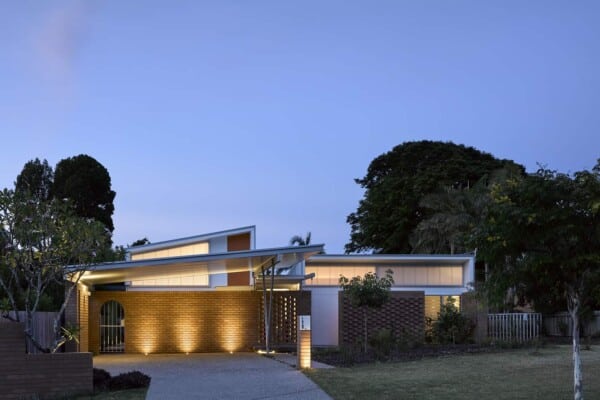
An attractive yard should not require constant attention. Yet uneven watering can leave dry and soaked patches. The Environmental Protection Agency estimates that as much as 50 percent of outdoor water use is lost through inefficient irrigation practices, including evaporation, wind, and runoff. Better results start with understanding what different plants need, how water moves through soil, and which upgrades are genuinely useful. A thoughtful approach reduces waste without complicating lawn care.
A well-maintained landscape also contributes to the overall appearance of a home. Healthy lawns, established trees, and thoughtfully arranged planting beds can make outdoor spaces more inviting while creating comfortable areas for relaxation and entertaining. However, maintaining that appearance requires more than choosing attractive plants. Watering habits play an important role in how a landscape develops, especially during periods of prolonged heat or limited rainfall.
The goal is not necessarily to water more frequently, but to create a landscape where every watering session serves a purpose.
Why More Water Is Not Always Better

When grass looks tired, adding more water seems like the obvious solution. But dry-looking areas do not always mean the entire yard needs a longer watering session. Compacted soil, heavy shade, or poor sprinkler coverage may be responsible.
Overwatering creates problems of its own. Saturated ground can restrict oxygen around roots, encourage certain plant diseases, and send water across pavement instead of into the soil. An area that remains wet long after irrigation may need a different schedule, not extra minutes.
Observe the yard before changing anything. Notice where puddles form, where grass struggles, and how quickly the ground dries. These patterns tell more than an outdated timer.
One simple way to understand watering performance is to place several shallow, straight-sided containers around the lawn during a sprinkler cycle. Comparing the amount collected in each container can reveal uneven coverage that might otherwise go unnoticed. If one section receives significantly more water than another, adjusting sprinkler heads may be more effective than increasing the overall watering time.
Build a System Around the Landscape

A useful irrigation design always starts with the property, not the equipment catalog. Turf, shrubs, flower beds, and trees have different root systems and moisture requirements. Combining them on a single schedule can leave some thirsty and others waterlogged.
Separate watering zones help considerably over time. They allow different areas to receive water according to plant type, sun exposure, slope, and soil conditions. Sprinkler placement matters, too: water belongs on plants and soil, not fences, sidewalks, or parked cars.
When considering irrigation system installation, homeowners should look for a site-specific plan that accounts for water pressure, appropriate coverage, backflow protection where required, and future maintenance. A professional evaluation can help determine whether a complete system, targeted drip lines, or improvements to existing equipment make the most practical sense.
Landscape design should influence these decisions from the beginning. A sunny front lawn, a shaded seating area, and a narrow planting border may require entirely different watering solutions. Planning irrigation alongside pathways, patios, and garden beds can also help keep equipment discreet and prevent unnecessary disruption to finished outdoor spaces.
For homeowners planning a larger landscaping renovation, coordinating irrigation with planting and hardscaping work can avoid the expense of digging through newly completed areas later.
Let Soil Conditions Guide the Schedule

Two areas with identical grass can need different watering schedules because the soil behaves differently. Sandy ground drains relatively quickly, while clay-rich soil often absorbs water more slowly. A long sprinkler cycle on a slope may create runoff before moisture reaches the roots.
Rather than relying on a rigid daily routine, check the soil beneath the surface and adjust watering to actual conditions. Deep, appropriately spaced watering may support healthier root development for established turf, although plant species and soil type affect the right approach.
The watering tips from the Environmental Protection Agency explain how seasonal adjustments, efficient sprinkler placement, and grouping plants with similar needs can reduce waste. Observation prevents unnecessary watering.
For areas where water tends to run off, shorter watering cycles separated by soaking periods may improve absorption. This approach gives moisture time to move into the ground before additional water is applied. It can be particularly useful on slopes or compacted lawns where a continuous sprinkler session would otherwise waste water.
Use Smarter Controls Without Complicating Everything

Automatic watering should not mean repeating the same schedule regardless of weather. A clock-based timer might run after a rainy night or continue watering at midsummer rates when temperatures cool.
Weather-based controllers adjust irrigation using conditions such as rainfall and temperature. Soil-moisture sensors take another route, checking whether the ground actually needs water before allowing a cycle. Both options still require inspection and occasional adjustment.
Choose controls that suit your comfort with technology. A straightforward system you understand and maintain is better than an elaborate setup nobody knows how to adjust. Convenience should make landscaping easier, not add another confusing screen to your day.
Modern irrigation technology can also make routine maintenance more convenient. Some controllers offer mobile applications that allow homeowners to review schedules, pause watering, or make adjustments without accessing the equipment directly. This can be particularly useful when traveling or managing a property that is not occupied year-round.
Still, smart features are most valuable when paired with a properly designed system. Technology cannot compensate for poorly positioned sprinklers, damaged pipes, or plants grouped into unsuitable watering zones.
Give Garden Beds a Different Approach

Lawns often benefit from broad, even sprinkler coverage. Shrubs, flowers, and planted beds may be better served by water delivered near their roots. Drip and other microirrigation methods apply water slowly, reducing unnecessary spray onto surrounding surfaces.
The guide to microirrigation describes how low-flow systems can limit runoff and evaporation while directing moisture where plants need it. Design and maintenance still matter: clogged emitters, damaged tubing, and unsuitable schedules can undermine any expected savings.
Mulch can also help exposed soil hold moisture longer, although the right depth and placement depend on the plants. Treat lawns and planting beds as different environments rather than forcing one watering method to handle everything.
Plant selection can make this approach even more effective. Native and climate-adapted species often require less supplemental watering once established, provided they are suited to the property’s soil and exposure. Combining plants with similar moisture requirements can simplify irrigation planning while creating a more cohesive garden design.
This does not mean sacrificing visual variety. Ornamental grasses, flowering perennials, textured foliage, and carefully chosen shrubs can provide seasonal interest without demanding identical watering conditions throughout the landscape.
Consider the Real Cost of an Upgrade

A new watering system involves more than the price of sprinklers and pipes. Installation may require trenching, valves, a controller, electrical connections, or modifications to existing landscaping. Ongoing inspections and occasional repairs belong in the budget as well.
Ask for an itemized proposal showing how zones will operate, what equipment is included, and whether disturbed areas will be restored. Compare the expected benefits with your current water use and maintenance demands. A well-designed upgrade may reduce waste, but savings vary with climate, yard size, water rates, and how the system is operated.
The lowest initial quote is not automatically the best value. Reliability, sensible access for repairs, and clear operating instructions can matter more over time.
It is also worth considering whether a complete replacement is necessary. In some yards, replacing inefficient sprinkler heads, repairing leaks, or upgrading an outdated controller may deliver meaningful improvements without extensive excavation. A phased approach can make sense when the existing infrastructure is generally sound but certain areas consistently underperform.
Keep the System Working After Installation

Even carefully installed irrigation needs occasional attention. Sprinkler heads can tilt, filters can clog, and small leaks may go unnoticed because watering happens early in the morning.
Run each zone while you can watch it. Look for misting, broken heads, dry patches, and water reaching hard surfaces. Recheck settings as seasons change, and ask about winter preparation if freezing conditions are possible.
Track water bills alongside the condition of your lawn. Unexpected increases can signal a leak or an overly generous schedule. Maintenance is not a glamorous part of landscaping, but it protects both the investment and the plants it supports.
Seasonal changes deserve particular attention. Spring growth, summer heat, and cooler autumn conditions rarely call for identical watering routines. Newly planted areas may also require more frequent monitoring until their root systems become established.
A brief inspection every few weeks during the growing season can help catch small problems before they affect the appearance of the landscape. Keeping a record of adjustments and repairs can make future troubleshooting easier, especially for properties with several irrigation zones.
Aim for a Yard That Needs Less Guessing

The point of an irrigation upgrade is not simply greener grass. It is a healthier landscape managed with less waste, less frustration, and more predictable care.
Start by understanding where water currently goes, what each planted area requires, and which features solve real problems. Choose equipment that fits those findings, then keep reviewing how it performs. A successful system should quietly support your yard rather than demand constant adjustments. When watering matches the landscape, convenience and conservation can work together instead of competing for attention.